
Brakes are one of the most critical components of your vehicle’s safety system. When they start acting up, it’s essential to understand the issue and take quick action.
One common problem that many drivers face but might not fully understand is “glazed brakes.”
This blog post will dive into what glazed brakes are, how they happen, and most importantly, how to address the problem effectively.
What Are Glazed Brakes?
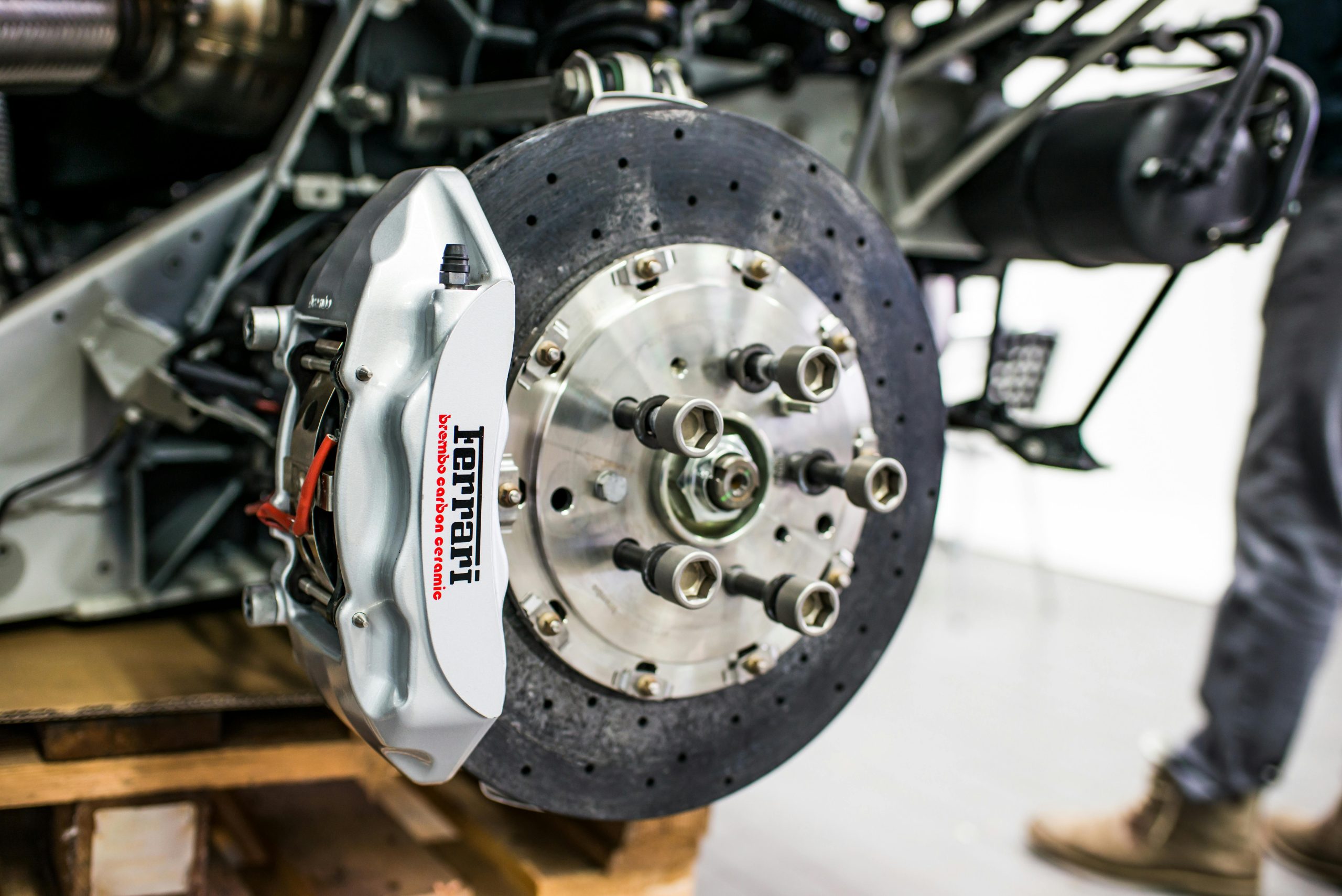
Glazed brakes occur when the brake pads or rotors become smooth and shiny due to excessive heat and friction. Normally, brake pads and rotors have a slightly rough texture that creates enough friction to stop your car efficiently.
However, under certain conditions, such as frequent hard braking or poor-quality brake materials, this rough surface becomes polished.
As a result, the braking system loses its ability to grip properly, reducing your car’s stopping power.
How to Recognize Glazed Brakes
Identifying glazed brakes early can save you time, money, and stress. Here are some common symptoms:
- Reduced Braking Performance
You might notice that your car takes longer to stop or doesn’t respond as quickly when you press the brake pedal. - Squealing or Screeching Sounds
A high-pitched noise is a classic sign of glazed brakes. This happens because the smooth surface of the pads or rotors vibrates against each other. - Burnt Smell
Overheated brakes often produce a strong, burnt odor, especially during or after heavy braking. - Vibration or Pulsation
You might feel a pulsing sensation in the brake pedal or steering wheel when braking. This can indicate uneven wear or glazing on the rotors. - Shiny or Glassy Appearance
If you inspect your brake pads or rotors, you’ll notice a shiny, mirror-like surface instead of the usual matte texture.
Common Causes of Glazed Brakes
Understanding why brakes glaze over can help you prevent the issue in the future.
Here are some of the main causes:
- Frequent Hard Braking
Sudden or aggressive braking generates a lot of heat, which can cause glazing over time. - Riding the Brakes
Keeping your foot lightly on the brake pedal for long periods can create excessive friction and heat, leading to glazing. - Cheap or Low-Quality Brake Pads
Inferior brake pads can’t withstand high temperatures as effectively as premium ones, making them more likely to glaze. - Improper Installation
Incorrectly installed brake components can create uneven pressure, causing hotspots and glazing. - Driving in Mountainous Areas
Continuous braking on steep descents can quickly overheat the brakes, leading to glazing.
How to Address Glazed Brakes
If you suspect your brakes are glazed, don’t panic. The issue can usually be resolved without replacing the entire braking system. Here’s what you can do:
1. Inspect the Brakes
Start by visually inspecting the brake pads and rotors. Look for the telltale shiny or glassy surfaces. If you’re unsure, consult a trusted mechanic.
2. De-glaze the Brake Pads
You can often restore glazed brake pads by removing them and sanding down the shiny surface. Use fine-grit sandpaper to gently roughen the surface until the original texture returns. Be careful not to remove too much material.
3. Resurface or Replace Rotors
If the rotors are glazed, they might need resurfacing. This involves removing a thin layer of material to restore the rough texture. In severe cases, replacing the rotors may be necessary.
4. Replace Worn or Cheap Pads
If your brake pads are too worn or made from low-quality materials, consider upgrading to a set of high-performance pads. These are more resistant to heat and glazing.
5. Bleed the Brake Lines
Overheating can sometimes cause air bubbles to form in the brake fluid, reducing braking efficiency. Bleeding the brake lines ensures the system is free of air and working at full capacity.
6. Seek Professional Help
If you’re not confident in your ability to fix the problem yourself, take your car to a professional mechanic. They’ll have the tools and expertise to address glazed brakes properly.
Preventing Glazed Brakes in the Future
Prevention is always better than repair. Here are some tips to avoid glazed brakes:
- Avoid Aggressive Braking: Brake gradually whenever possible, especially at high speeds.
- Use Engine Braking: On steep descents, shift to a lower gear to reduce reliance on your brakes.
- Upgrade Your Brakes: Invest in high-quality pads and rotors designed to handle heat better.
- Maintain Regular Inspections: Have your brakes checked during routine maintenance to catch potential issues early.
- Learn Proper Driving Techniques: Practice defensive driving to minimize the need for sudden stops.
Conclusion
Glazed brakes can compromise your car’s safety and make every drive stressful.
By understanding what causes glazed brakes, recognizing the symptoms, and taking timely action, you can restore your vehicle’s braking performance and prevent future problems.
Whether you choose to address the issue yourself or seek professional help, ensuring your brakes are in top condition is essential for safe and smooth driving. When it comes to your brakes, vigilance and care can make all the difference!