
If you own a diesel vehicle and use synthetic oil, you’re already making a smart move to protect your engine. But even the best oil doesn’t last forever. So the big question is: how often should you change synthetic oil in a diesel engine?
Let’s break this down in simple terms. No confusing jargon. Just clear info so you know exactly when to schedule that next oil change.
What Is Synthetic Oil and Why Use It in Diesel Engines?
Synthetic oil is not your regular motor oil. It’s specially made in a lab using high-quality chemical compounds. Unlike conventional oil (which comes from crude oil), synthetic oil is designed to perform better under extreme temperatures and heavy loads.
Here’s what makes synthetic oil great:
- Better protection at high heat
- Longer lifespan between oil changes
- Smoother flow in cold weather
- More resistance to engine sludge
Diesel engines work harder than gas engines. They run hotter, produce more soot, and operate under more pressure. That’s why synthetic oil is a better choice—it gives extra protection where diesel engines need it most.
Why Diesel Engines Need Special Attention
Diesel engines are built for strength. You’ll find them in heavy-duty trucks, work vans, pickups, and even some large SUVs. They’re designed to haul, tow, and go the distance.
But all that power comes at a cost:
- Higher combustion pressure puts more stress on engine parts.
- More soot and carbon buildup can clog filters and dirty up the oil.
- Hotter temperatures make oil break down faster.
Even though synthetic oil lasts longer than regular oil, these harsh conditions can still shorten its life in a diesel engine. That’s why knowing when to change your oil is so important.
How Often Should You Change Synthetic Oil in a Diesel Engine?
The answer depends on how you drive. Some people can go longer between oil changes, while others need to do it more often. Here’s a basic guide:
| Driving Conditions | Recommended Interval |
| Normal driving | Every 7,500 – 10,000 miles |
| Towing / Heavy load | Every 5,000 – 7,000 miles |
| City driving / short trips | Every 5,000 – 6,000 miles |
| Manufacturer’s recommendation | Always check your manual |
Let’s look at each case in detail.
1. Normal Driving Conditions (7,500–10,000 Miles)
If you mostly drive on highways, keep a steady pace, and don’t tow anything heavy, you’re in the “normal driving” category. This is the best-case scenario for synthetic oil.
Under these conditions, synthetic oil in a diesel engine can last up to 10,000 miles. Some newer trucks even come with oil life monitoring systems that alert you when it’s time for a change.
Tip: Don’t wait until the oil is completely used up. Changing around 7,500 miles adds an extra layer of safety, especially if you’re planning a long trip or working the engine harder than usual.
2. Towing and Heavy Loads (5,000–7,000 Miles)
Are you pulling a trailer, hauling gear, or carrying heavy equipment often? This counts as heavy-duty use.
Your diesel engine is under a lot of stress when towing or carrying weight. The extra strain causes the oil to heat up more and collect contaminants faster.
In this case, change your synthetic oil every 5,000 to 7,000 miles to protect your engine.
Think of oil like sunscreen: the more exposure, the more often you need to reapply.
3. Short Trips and Stop-and-Go Driving (5,000–6,000 Miles)
Frequent short trips and city traffic aren’t easy on your diesel engine. The engine may not get hot enough to burn off moisture and fuel by-products. This leads to:
- Sludge buildup
- Faster oil breakdown
- More wear and tear
Even with synthetic oil, you’ll need to change it more often—every 5,000 to 6,000 miles is a safe range.
Remember: diesel engines run best when they stay warm and steady.
4. Always Check the Owner’s Manual
Every diesel engine is different. Some are designed for longer intervals between oil changes. Others need more frequent service.
That’s why it’s always smart to read the owner’s manual or follow the oil life indicator in your vehicle. These recommendations come directly from the engineers who built your engine.
Don’t rely on guesswork—follow what your manual says.
How to Know It’s Time for an Oil Change (Even Before the Mileage)
Even if you haven’t hit the mileage limit, your diesel might show signs that it needs fresh oil. Here’s what to watch for:
🚨 Warning Signs:
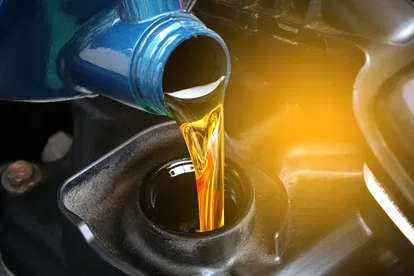
- Dark, dirty oil: Fresh synthetic oil is light amber. If it’s black and gritty, it’s done its job and needs changing.
- Engine noise: Old oil loses its ability to cushion moving parts. If your engine sounds louder or rougher than usual, get it checked.
- Oil change light: Many diesel vehicles have sensors to monitor oil condition. Don’t ignore the light.
- Burning smell: If you smell something hot or burnt, it could be overheated oil.
- Reduced fuel economy: Dirty oil can make your engine work harder, using more fuel.
What Happens If You Delay an Oil Change?
Delaying an oil change might save you money now, but it can cost a lot more later. Here’s what could go wrong:
- Sludge buildup that blocks oil flow
- Increased engine wear due to low lubrication
- Poor fuel efficiency
- Overheating and internal damage
- Complete engine failure
And that means thousands of dollars in repairs—just because of one missed oil change.
Play it safe: oil changes are cheap compared to engine replacements.
How Much Does a Synthetic Oil Change Cost for Diesel?
You might be wondering about the price. Here’s what to expect:
- Average cost: $80 to $150
- What it includes: synthetic oil (usually 10 to 15 quarts), oil filter, labor
- Where it varies: dealerships, independent shops, quick lube centers
Some places offer service packages that include a multi-point inspection. Others may charge more based on your engine size.
Pro tip: Always ask what’s included and make sure they’re using the correct oil for your diesel engine.
Final Thoughts (within 100 words)
Synthetic oil is a smart choice for diesel engines—but it still needs to be changed on time. For most drivers, every 7,500 miles is a safe target.
If you tow heavy loads, drive in traffic, or take short trips, change it sooner—around 5,000 miles. Always follow your owner’s manual and check the oil regularly.
Don’t let dirty oil ruin a powerful engine. Spending a little now saves a lot later.