
The constant velocity (CV) joint is a critical component in a vehicle’s drivetrain system. It allows the front wheels to receive power from the engine while moving up and down due to suspension and turning corners.
However, when a CV joint starts to fail, it can create a ripple effect that impacts the transmission, leading to more extensive and costly repairs if not addressed promptly.
In this article, we’ll guide you through the signs of a bad CV joint and how to identify whether it’s affecting your transmission.
What Is a CV Joint?
Before diving into the symptoms of failure, let’s briefly discuss the CV joint. This joint is found on vehicles with front-wheel or all-wheel drive.
It’s located at the ends of the drive shafts, connecting the transmission to the wheels. CV joints are encased in protective rubber boots filled with grease, which ensures smooth operation.
Over time, wear and tear, along with exposure to dirt or water, can cause the CV joint to deteriorate. When this happens, it may lead to vehicle performance issues.
Signs of a Bad CV Joint
Identifying a bad CV joint early can save you from costly repairs. Here are the most common symptoms:
1. Clicking or Popping Noises
One of the hallmark signs of a failing CV joint is a clicking or popping sound when turning. This noise is especially noticeable when accelerating during a turn. It indicates that the joint is no longer functioning smoothly and may soon fail.
2. Grease on the Inside of the Tire
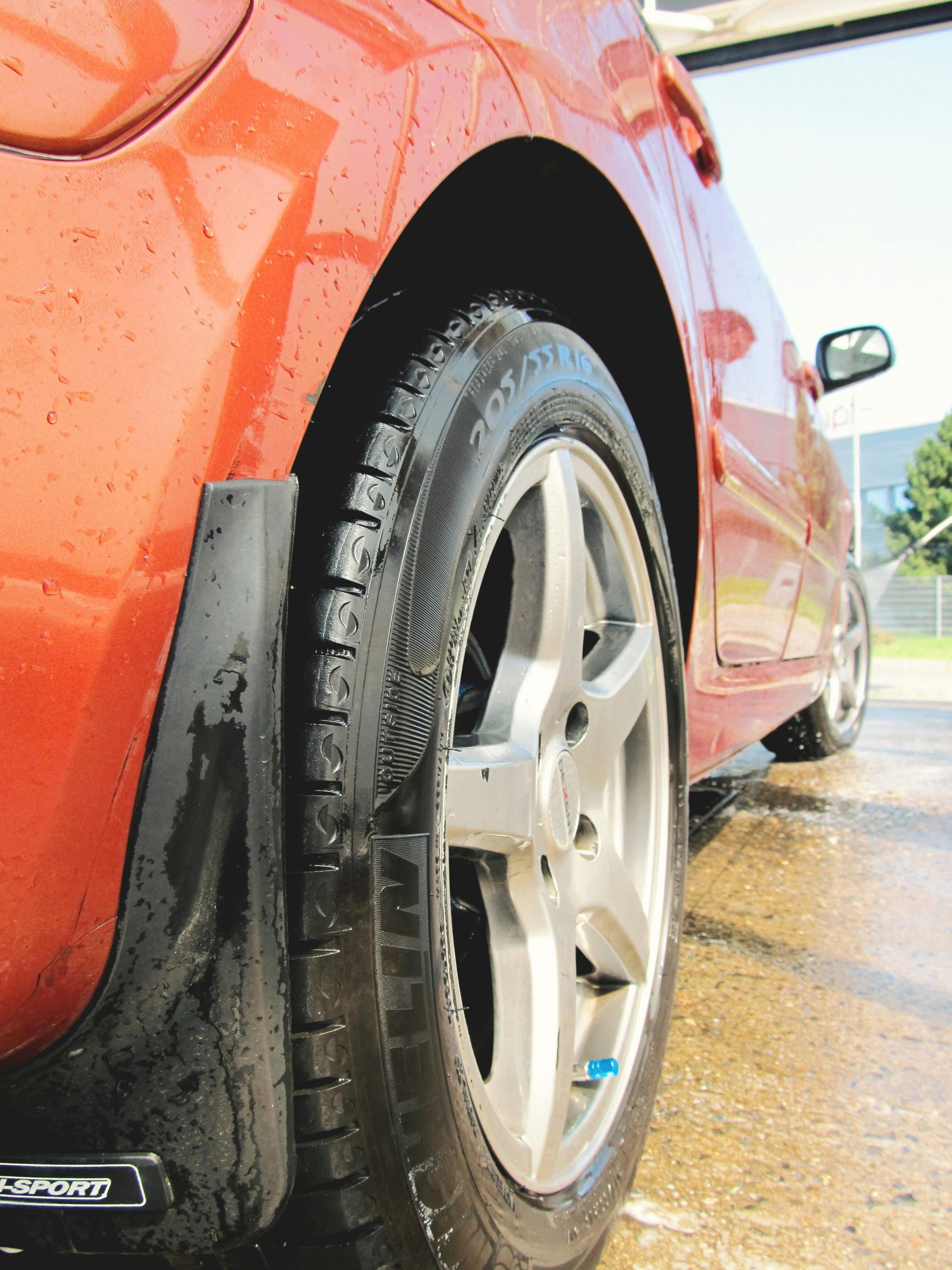
If the CV joint’s protective boot gets damaged, grease can leak out. You might notice grease splattered around the wheel or on the inner surface of the tire. This is a clear visual cue that the CV joint needs attention.
3. Excessive Vibration
A damaged CV joint can cause the vehicle to vibrate excessively, particularly when driving at higher speeds. These vibrations occur because the joint is no longer maintaining a consistent rotational balance.
4. Lack of Smooth Acceleration
When a CV joint is bad, it can interfere with the drivetrain’s ability to transfer power smoothly to the wheels. This may cause your car to jerk or hesitate during acceleration.
How a Bad CV Joint Affects the Transmission
The relationship between a CV joint and the transmission is significant. Here’s how a failing CV joint can impact the transmission:
1. Increased Wear on Transmission Components
A bad CV joint can create undue stress on the transmission. This happens because the drivetrain components aren’t able to work in harmony. Over time, this stress can lead to premature wear and even transmission failure.
2. Transmission Fluid Overheating
When a CV joint fails, the additional strain on the drivetrain can cause the transmission to work harder. This often leads to overheating of the transmission fluid, which can reduce its ability to lubricate and protect internal parts.
3. Erratic Gear Shifting
A damaged CV joint can result in uneven torque distribution to the wheels. This might confuse the transmission, causing erratic shifting or difficulty maintaining a specific gear.
How to Diagnose the Problem
If you suspect a bad CV joint is affecting your transmission, follow these steps to confirm the issue:
1. Listen for Noises
Turn the steering wheel sharply in either direction while driving slowly. If you hear clicking or popping sounds, the CV joint is likely the culprit.
2. Inspect the CV Boot
Check the CV boot for visible cracks, tears, or grease leaks. A damaged boot exposes the joint to contaminants, accelerating wear.
3. Check for Vibrations
Drive the vehicle at various speeds and note any unusual vibrations, particularly during acceleration. Persistent vibrations could indicate a failing CV joint.
4. Consult a Mechanic
If you’re unsure, it’s always best to consult a professional mechanic. They can inspect both the CV joint and the transmission to pinpoint the issue.
What to Do Next
If you’ve determined that your CV joint is bad, it’s crucial to address it as soon as possible. Here are your options:
1. Replace the CV Joint or Axle
In many cases, replacing the entire axle is more cost-effective than repairing just the CV joint. This ensures a complete fix and prevents further issues.
2. Inspect the Transmission
If the CV joint has been bad for a while, have your transmission inspected. Look for signs of wear, overheating, or damaged components.
3. Maintain Regular Check-Ups
Regular maintenance can prevent future problems. Check your CV joints and boots periodically, especially if you drive on rough or dusty roads.
Preventive Tips
To avoid issues with your CV joint and its potential impact on the transmission:
- Inspect CV Boots Regularly: Ensure they are intact and free of damage.
- Address Leaks Immediately: If you notice grease around the tires, have it checked promptly.
- Avoid Overloading Your Vehicle: Excess weight puts additional strain on the drivetrain.
- Stick to a Maintenance Schedule: Routine inspections can catch problems before they escalate.
Conclusion
If left unchecked, a bad CV joint can cause significant issues, including transmission problems. Recognizing and addressing the symptoms early can save you time, money, and frustration.
Always watch for clicking noises, grease leaks, vibrations, and erratic driving behavior. If you’re in doubt, seek professional help to ensure your vehicle remains in top condition.
Taking preventive measures and maintaining your vehicle regularly will not only extend the lifespan of your CV joint but also protect your transmission from unnecessary damage. Stay proactive and drive safely!